

What is a Math Instructional Coach?
A math instructional coach expertly collaborates with educators, enhancing their teaching methods and processes within mathematics, prioritizing coaching duties and teacher support․
This certified teacher role focuses on mentorship, advising, and supporting teachers in their classroom functions, ultimately improving instructional quality and student outcomes․
Defining the Role
The math instructional coach is a dedicated, certified teacher whose primary focus is elevating the quality of mathematics instruction within a school or district․ Unlike traditional administrative roles, a math coach remains deeply rooted in classroom practice, avoiding administrative duties or substitute teaching assignments․
This specialized role centers on providing targeted support to teachers, acting as a mentor, advisor, and collaborative partner․ The coach’s responsibilities encompass a range of activities, including modeling effective teaching strategies, co-teaching lessons, and offering constructive feedback based on classroom observations․
Essentially, the math coach functions as a catalyst for professional growth, empowering teachers to refine their skills and implement high-quality mathematics instruction that meets the diverse needs of all learners․ They champion the school’s mathematics plan and program, ensuring consistent and effective implementation․
The Growing Need for Math Coaches
The demand for math instructional coaches is steadily increasing, driven by a nationwide focus on improving student achievement in mathematics․ Recognizing that effective teaching is paramount, schools are investing in specialized support to enhance teacher capacity and instructional practices․
This need is further amplified by evolving mathematics standards and curricula, requiring teachers to adapt and implement new approaches․ A dedicated math coach provides crucial support during these transitions, offering professional development, modeling best practices, and facilitating collaborative planning․
Furthermore, the increasing diversity of learners necessitates individualized instruction and targeted interventions․ Math coaches are equipped to analyze student data, identify learning gaps, and assist teachers in tailoring instruction to meet the unique needs of each student, ultimately fostering a more equitable and effective learning environment․

Key Responsibilities of a Math Instructional Coach
A math coach’s core duties encompass curriculum implementation, co-teaching, data analysis, and providing constructive feedback to teachers, fostering continuous improvement in math instruction․
Curriculum Development and Implementation
The math coach plays a pivotal role in leading the planning, development, and evaluation of K-12 mathematics curriculum and instructional practices․ This involves a deep understanding of current standards and best practices in mathematics education․ They collaborate with teachers to ensure alignment between curriculum, instruction, and assessment․
Implementation support is crucial; the coach assists teachers in effectively delivering the curriculum, providing resources and modeling effective strategies․ This includes helping teachers adapt materials to meet the diverse needs of their students․ Furthermore, the coach actively participates in evaluating the curriculum’s effectiveness, using data to inform revisions and improvements․
They support teachers in implementing high-quality mathematics instruction, ensuring a cohesive and rigorous learning experience for all students․ The coach’s expertise ensures the mathematics program remains current, relevant, and aligned with educational goals․
Providing Modeling and Co-teaching
A core function of the math coach is to model effective instructional strategies directly within classroom settings․ This demonstration allows teachers to observe best practices firsthand, fostering a deeper understanding of how to implement new techniques․ Modeling isn’t simply showing – it’s a carefully planned lesson designed to highlight specific pedagogical approaches․
Co-teaching takes this a step further, with the coach and teacher collaboratively delivering instruction․ This partnership allows for real-time problem-solving and shared responsibility for student learning․ The coach can provide immediate support, offer alternative explanations, and differentiate instruction alongside the teacher․
Regularly, coaches plan, coach, or observe with teachers, utilizing effective math strategies on a weekly basis․ This collaborative approach builds teacher capacity and confidence, leading to improved instructional practices and student achievement․
Data Analysis and Interpretation
A crucial responsibility of the math coach involves analyzing student performance data to identify trends and areas for improvement․ This goes beyond simply looking at test scores; it requires a deep dive into various data points, including formative assessments, classroom observations, and student work samples․
The coach then interprets this data to inform instructional decisions, helping teachers understand which students need targeted support and which instructional strategies are proving most effective․ This data-driven approach ensures that interventions are focused and impactful․

Furthermore, the coach assists teachers in using data to adjust their teaching in real-time, fostering a continuous cycle of improvement․ By providing insights into student learning, the math coach empowers teachers to make informed decisions and maximize student growth․
Observation and Feedback

A cornerstone of the math coach’s role is conducting classroom observations, not as an evaluator, but as a supportive colleague․ These observations are focused on gathering information about instructional practices and student engagement in mathematics․
Following observations, the coach provides constructive feedback to teachers, highlighting strengths and identifying areas for growth․ This feedback is delivered in a non-judgmental and collaborative manner, fostering a safe space for teachers to reflect on their practice․
The coach often models effective strategies during co-teaching sessions, demonstrating best practices firsthand․ This process of observation and feedback, coupled with modeling, is instrumental in building teacher capacity and improving the quality of math instruction across the school․

Essential Skills and Qualifications
Successful math coaches possess robust mathematical knowledge, strong communication skills, and proven coaching abilities, alongside a deep understanding of effective instructional strategies․
Strong Mathematical Content Knowledge
A foundational element for any effective math instructional coach is a deep and comprehensive understanding of mathematical concepts, spanning all grade levels and relevant curricula․ This isn’t merely about being able to do the math, but truly understanding the ‘why’ behind the procedures and principles․
The coach must be proficient in identifying mathematical misconceptions, both in student work and in teacher approaches․ They need to be able to articulate complex ideas clearly and concisely, adapting explanations to suit different audiences․
Furthermore, a strong content base allows the coach to analyze curriculum materials critically, ensuring alignment with standards and best practices․ They can effectively model problem-solving strategies and provide targeted support to teachers struggling with specific mathematical topics․ This expertise builds credibility and fosters trust with the educators they serve, enabling impactful coaching conversations․
Effective Communication and Collaboration Skills
Exceptional communication is paramount for a math instructional coach, extending beyond simply conveying information․ It requires active listening, empathetic understanding, and the ability to build rapport with teachers from diverse backgrounds and experience levels․
Coaches must skillfully facilitate conversations, posing probing questions that encourage reflection and self-discovery, rather than directly providing solutions․ Clear, concise, and non-judgmental feedback is crucial for fostering a growth mindset․
Collaboration isn’t a solo act; it demands the ability to work effectively with school administrators, curriculum coordinators, and other instructional staff․ A successful coach navigates complex dynamics, builds consensus, and champions a shared vision for improving mathematics education; This includes presenting ideas persuasively and adapting communication styles to different stakeholders․
Coaching and Mentoring Abilities
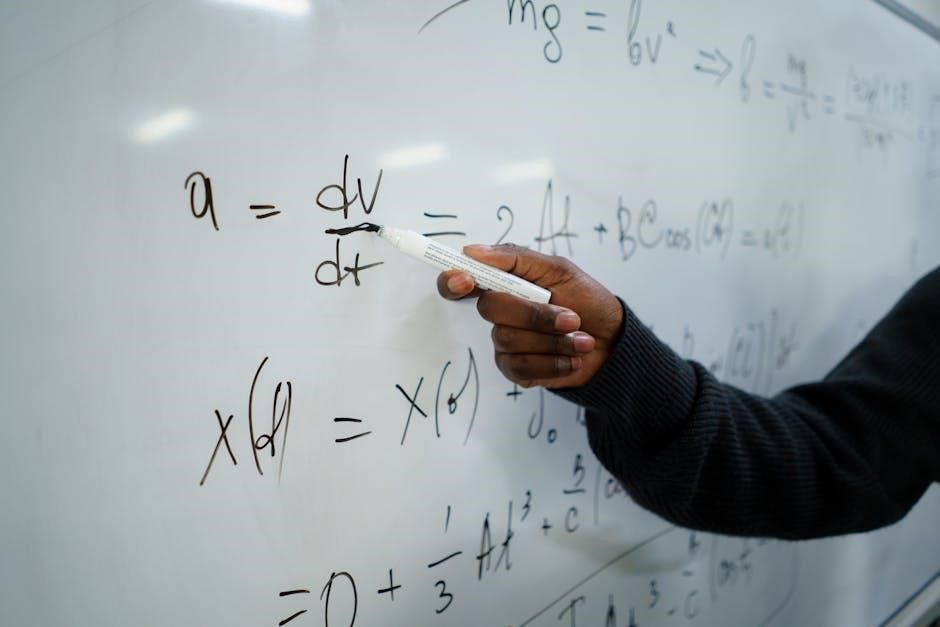
A core function of a math instructional coach is providing targeted coaching and mentorship to teachers․ This goes beyond simply offering advice; it’s about fostering professional growth through a supportive and collaborative partnership․
Effective coaches employ various coaching models – from demonstration and co-teaching to observation and feedback – tailoring their approach to individual teacher needs․ They act as a sounding board, helping teachers analyze their practice, identify areas for improvement, and develop action plans․
Mentorship involves building long-term relationships, offering encouragement, and celebrating successes․ Coaches empower teachers to become reflective practitioners, capable of self-assessment and continuous learning․ They skillfully guide teachers through challenges, promoting confidence and a commitment to excellence in mathematics instruction․
Understanding of Instructional Strategies
A successful math instructional coach possesses a deep and comprehensive understanding of diverse instructional strategies applicable to mathematics education․ This includes knowledge of research-based practices, effective lesson planning techniques, and methods for differentiating instruction to meet the needs of all learners․
They are well-versed in various pedagogical approaches, such as inquiry-based learning, problem-solving strategies, and the use of manipulatives․ Coaches can effectively model these strategies for teachers, demonstrating how to implement them in the classroom to enhance student engagement and understanding․
Furthermore, they stay current with evolving best practices in mathematics education, continually refining their knowledge base and sharing this expertise with colleagues․ This ensures that teachers have access to the most effective tools and techniques for fostering mathematical proficiency․

The Math Coach’s Role in Professional Development
Math coaches expertly plan and deliver workshops, facilitate learning communities, and actively support teacher growth, building capacity for high-quality mathematics instruction․
Planning and Delivering Workshops
Effective workshops are a cornerstone of a math coach’s professional development role, requiring meticulous planning aligned with school or district mathematics goals․ These sessions aren’t simply about presenting information; they’re about fostering active learning and practical application for teachers․
A skilled math coach designs workshops that address identified needs, often stemming from data analysis or classroom observations․ Content focuses on current research-based instructional strategies, exploring new mathematical concepts, or deepening understanding of existing curriculum․
Delivery involves a blend of direct instruction, collaborative activities, and opportunities for teachers to practice new skills․ Coaches model effective teaching techniques, providing a safe space for teachers to experiment and receive constructive feedback․ Post-workshop support, such as lesson planning assistance or classroom coaching, ensures sustained implementation of learned strategies, ultimately impacting student achievement․
Facilitating Professional Learning Communities
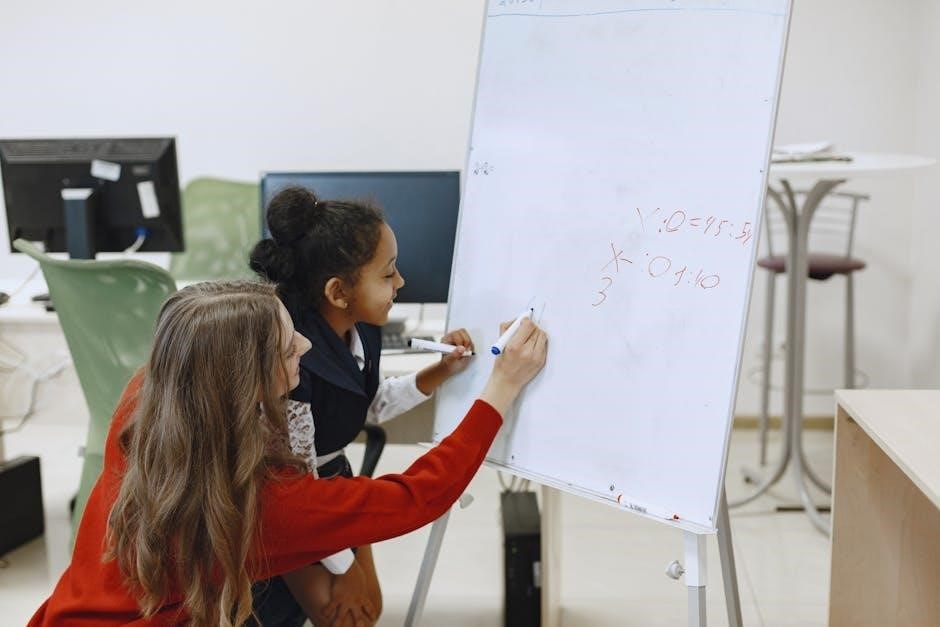
A key responsibility of a math coach is cultivating and guiding Professional Learning Communities (PLCs) focused on improving mathematics instruction․ These aren’t merely meetings, but structured collaborative environments where teachers delve into student work, analyze data, and collectively problem-solve instructional challenges․
The coach acts as a facilitator, not a director, prompting discussions, ensuring equitable participation, and keeping the PLC focused on actionable goals․ They guide teachers in examining student learning data to identify trends, pinpoint areas of struggle, and refine instructional approaches․
Through PLCs, teachers share best practices, co-plan lessons, and provide each other with constructive feedback․ The math coach supports this process by providing resources, modeling effective collaboration techniques, and fostering a culture of continuous improvement, ultimately leading to enhanced teaching and learning․
Supporting Teacher Growth
A central tenet of the math coach’s role is fostering continuous professional growth for teachers․ This extends beyond formal workshops and involves individualized support tailored to each educator’s needs and goals․ Coaches provide mentorship, acting as a sounding board for challenges and a resource for innovative strategies․
Through observation and feedback, coaches help teachers refine their practice, focusing on specific areas for improvement, such as questioning techniques or differentiation strategies․ They champion teacher-led inquiry, encouraging educators to investigate their own practice and implement changes based on evidence․
The math coach champions a growth mindset, creating a safe space for teachers to experiment, take risks, and learn from both successes and setbacks, ultimately building capacity and confidence within the teaching staff․
Distinguishing the Math Coach Role
The math coach differs from specialists and coordinators; coaches prioritize direct coaching in mathematics, avoiding administrative duties or curriculum leadership roles․
Math Coach vs․ Math Specialist
Distinguishing between a Math Coach and a Math Specialist requires understanding their differing focuses and responsibilities within a school system․ A Math Specialist often possesses deep expertise in mathematical content, frequently involved in curriculum development and potentially providing direct instruction to students, particularly those needing intensive intervention․
Conversely, a Math Coach primarily concentrates on enhancing the instructional practices of existing teachers․ Their core function is to collaborate with educators, offering support, modeling effective strategies, and facilitating professional growth․ While a specialist might deliver math instruction, a coach focuses on improving how math is taught․
The coach’s work is largely embedded within classrooms, observing lessons, providing feedback, and co-teaching to demonstrate best practices․ Specialists may work more behind the scenes, analyzing data and refining curriculum․ Essentially, the specialist is a content expert, while the coach is an instructional expert, empowering teachers to become more effective in their roles․
Math Coach vs․ Curriculum Coordinator
Differentiating a Math Coach from a Curriculum Coordinator hinges on their primary responsibilities and the scope of their influence within the school․ A Curriculum Coordinator typically oversees the broad design, implementation, and evaluation of the entire math curriculum across all grade levels․
Their focus is often on aligning curriculum with standards, selecting instructional materials, and ensuring consistency in math education throughout the district․ A Math Coach, however, works at a more granular level, concentrating on supporting individual teachers in effectively delivering that curriculum․
While a coordinator might determine what is taught, the coach focuses on how it’s taught․ The coach provides targeted, job-embedded professional development, modeling lessons, and offering feedback to improve instructional strategies․ They champion best practices within classrooms, while the coordinator manages the overarching curriculum framework․ The roles are complementary, but distinct in their approach and impact․
Impact on Student Achievement
Math coaches demonstrably improve instruction, supporting diverse learners through data-driven insights and targeted interventions, ultimately boosting student success in mathematics․
Improving Math Instruction

A core function of the math instructional coach is to elevate the quality of mathematics teaching within a school or district․ This is achieved through consistent, job-embedded professional development tailored to the specific needs of teachers․ Coaches model effective instructional strategies, demonstrating best practices in lesson delivery, questioning techniques, and the use of manipulatives․
They provide individualized coaching, observing teachers in their classrooms and offering constructive feedback focused on refining their practice․ This support isn’t evaluative; rather, it’s collaborative, aiming to build teacher capacity and confidence․ The coach facilitates a deeper understanding of mathematical concepts and how to effectively convey them to students․
Furthermore, they champion the implementation of research-based instructional approaches, ensuring alignment with curriculum standards and promoting a culture of continuous improvement in mathematics education․ By focusing on pedagogical content knowledge, the coach empowers teachers to create engaging and effective learning experiences for all students․
Supporting Diverse Learners
The math instructional coach plays a vital role in ensuring equitable access to high-quality mathematics education for all students, particularly those with diverse learning needs․ This involves assisting teachers in differentiating instruction to meet individual student requirements, whether through modifications, accommodations, or targeted interventions․
Coaches help teachers analyze student data to identify learning gaps and tailor instruction accordingly․ They provide support in implementing strategies for students who are struggling, as well as those who are advanced, fostering a challenging yet supportive learning environment․ This includes guidance on utilizing assistive technologies and evidence-based practices for students with disabilities․
Moreover, the coach promotes culturally responsive teaching practices, ensuring that mathematics instruction is relevant and engaging for students from all backgrounds․ Ultimately, they empower teachers to create inclusive classrooms where every student can thrive mathematically․
Analyzing Student Data for Targeted Support
A core function of the math instructional coach is guiding teachers in the effective analysis of student performance data to inform instructional decisions․ This extends beyond simply reviewing test scores; it involves examining patterns of errors, identifying areas of conceptual misunderstanding, and pinpointing specific skills needing reinforcement․
Coaches assist teachers in utilizing various data sources – formative assessments, classroom observations, and standardized test results – to create a comprehensive picture of student learning․ They model how to disaggregate data to identify trends among different student groups, ensuring equitable access to support․
Based on data insights, the coach collaborates with teachers to develop targeted interventions and adjust instructional strategies․ This data-driven approach ensures that support is focused where it’s most needed, maximizing student growth and achievement in mathematics․