The Flower Duet, a globally celebrated piece, stands as an iconic work in classical music. Its serene melody and exquisite harmony have captivated listeners for generations. This introduction explores its profound impact and timeless allure, setting the stage for understanding this beloved composition.
What is The Flower Duet?
“The Flower Duet,” formally “Sous le dôme épais,” is an iconic vocal piece from Léo Delibes’s opera, Lakmé. It features two female voices, typically a soprano and a mezzo-soprano, harmonizing exquisitely. Celebrated for its serene, flowing melody and lush orchestration, the duet creates an atmosphere of unparalleled tranquility. Its distinctive charm and emotional depth have cemented its place as a classical music staple, frequently heard beyond the opera house in films, commercials, and diverse compilations. The piece’s enduring appeal lies in its immediate recognizability and delicate interplay between vocal lines, often mirroring each other before uniting harmoniously. Musicians worldwide frequently search for “Flower Duet PDF” sheet music to learn and perform this beloved composition, a testament to operatic grace and melodic brilliance. Its timeless quality continues to enchant global audiences, establishing it as a truly iconic and universally beloved work.
Origin in Lakmé
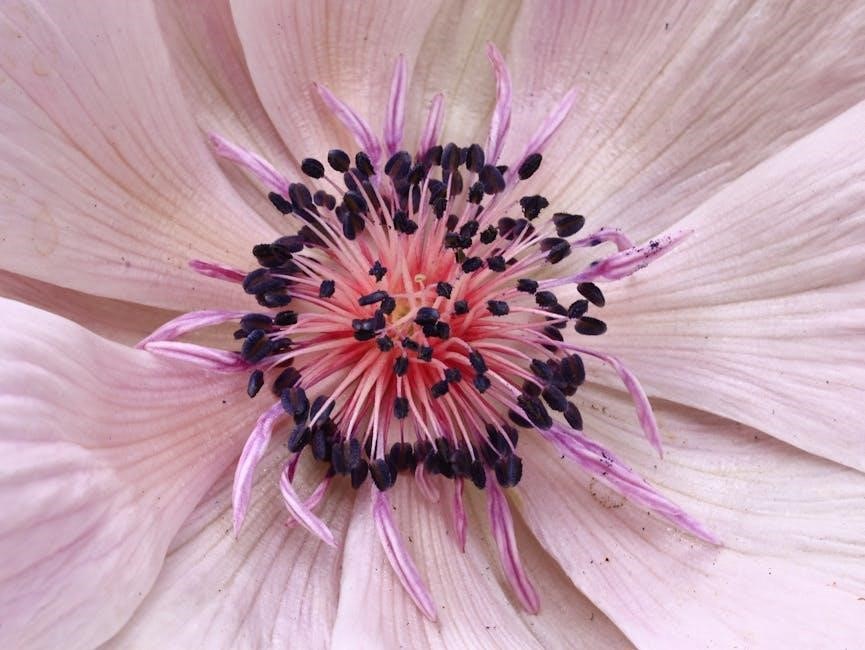
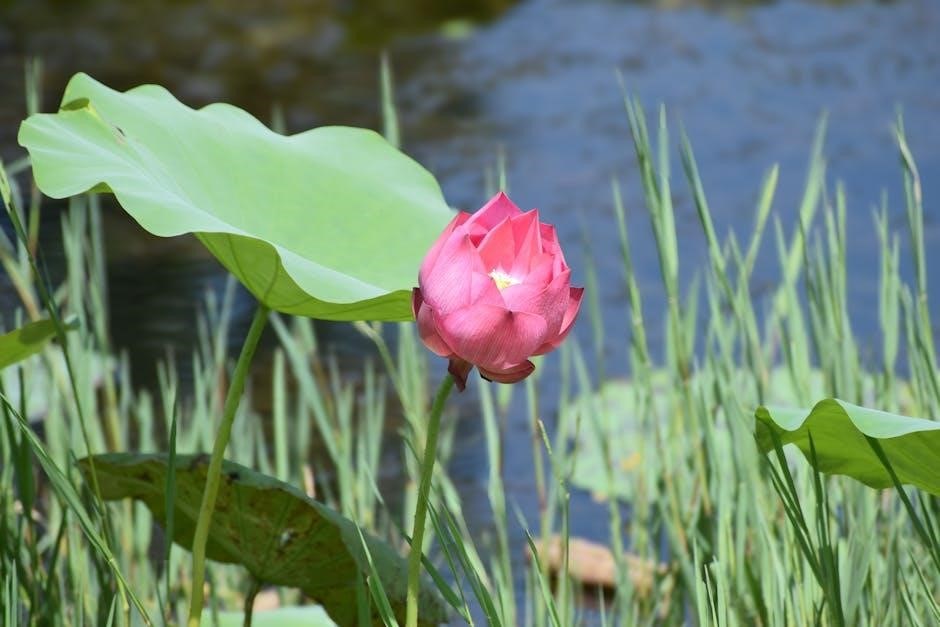
The beloved “Flower Duet,” formally known as “Sous le dôme épais,” originates from Act I of Léo Delibes’s exquisite 1883 French opera, Lakmé. This iconic scene unfolds by a tranquil riverbank in a lush, exotic Indian setting, where Lakmé, the daughter of a Brahmin priest, and her faithful servant Mallika are gathering lotus flowers. Their harmonious conversation, set to this flowing melody, describes the enchanting beauty of the blossoming jasmines and roses along the river, reflecting their peaceful existence and deep connection with nature.
The duet serves a crucial role in establishing the opera’s serene and mystical atmosphere, immediately immersing the audience in Lakmé’s sheltered world before the inevitable intrusion of the outside world. It elegantly portrays the innocence and close bond between the two women, creating a poignant contrast with the dramatic events that follow. This particular moment swiftly became the opera’s most famous highlight, contributing significantly to its early success and enduring popularity, leading many to search for its sheet music, often as a “Flower Duet PDF,” to perform this timeless masterpiece.

The Opera Lakmé and Léo Delibes
Léo Delibes composed the opera Lakmé, celebrated for its lyrical beauty and the iconic Flower Duet. This French masterpiece exemplifies his exquisite musicality and exotic setting, solidifying his place in operatic history with its enduring melodies.
Composer Léo Delibes
Léo Delibes (1836–1891) was a distinguished French composer of the Romantic era, celebrated for his enchanting ballets and operas. His musical artistry excelled in crafting elegant, melodious, richly orchestrated scores. Delibes honed his skills at the prestigious Paris Conservatoire, eventually becoming a pivotal figure in French music. His diverse career included roles as an accomplished organist, a dedicated choirmaster, and a respected professor of composition, showcasing his profound and versatile talents. While he composed many notable works, his opera Lakmé unequivocally cemented his enduring legacy, due to the exquisite “Flower Duet.” This iconic piece perfectly exemplifies his mastery of vocal writing and his unparalleled gift for creating unforgettable melodies that resonate with global audiences. Delibes’s distinctive style blended traditional French charm with a delicate touch of exoticism, a characteristic vividly present in Lakmé. His significant influence on subsequent generations of composers, particularly in ballet and opera, was considerable, setting a high benchmark for lyrical beauty and dramatic expression. His invaluable contributions continue to be celebrated for their lasting appeal and artistic brilliance, establishing him an indispensable cornerstone of French operatic tradition.
Synopsis of Lakmé
Léo Delibes’s opera, Lakmé, is a poignant tale set in 19th-century British India. The narrative centers on the forbidden love between Lakmé, the daughter of a zealous Brahmin priest, Nilakantha, and Gérald, a British army officer. The story unfolds as Gérald and his comrades inadvertently intrude upon a sacred Hindu temple garden, where he first encounters the captivating Lakmé. Their immediate attraction blossoms into a clandestine romance, a profound challenge to the rigid social and political divisions of the era. Nilakantha, a staunch anti-colonialist, discovers their affair and seeks swift vengeance, gravely wounding Gérald. Lakmé, deeply in love, shelters and tends to Gérald’s injuries in a hidden sanctuary. However, the call of duty and his existing engagement compel Gérald to consider returning to his regiment. Faced with his inevitable departure, and unable to endure life without him, Lakmé tragically chooses to poison herself with a sacred datura flower, dying peacefully in Gérald’s arms. The opera masterfully explores themes of cultural conflict, illicit love, and ultimate sacrifice, leaving a lasting emotional impact on its audience. The celebrated “Flower Duet” is sung by Lakmé and her attendant Mallika as they gather flowers by a river in Act I.
Characters and Vocal Performance
This section introduces the pivotal characters central to the opera Lakmé and their integral involvement in the Flower Duet. It also provides a foundational overview of the general vocal performance demands, setting the stage for deeper exploration;
Lakmé and Mallika’s Roles
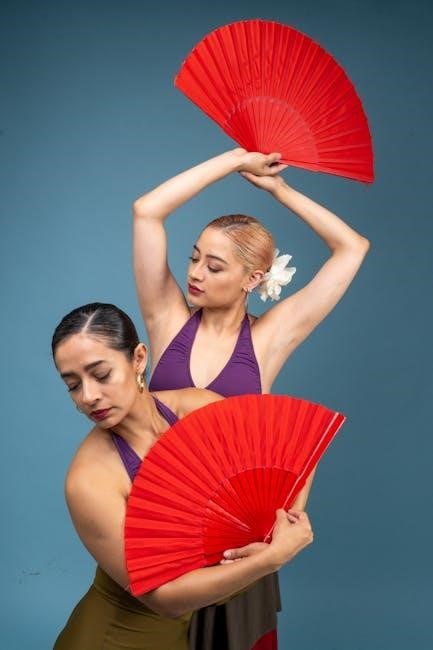
Lakmé and Mallika, the central female figures in Léo Delibes’ opera Lakmé, share a profound and tender bond, beautifully expressed in the iconic “Flower Duet.” Lakmé, the daughter of a Brahmin priest, is depicted as innocent and deeply spiritual, living a sheltered life within the temple grounds. Her companion, Mallika, serves as her loyal confidante and attendant. Their duet, “Sous le dôme épais” (Under the thick dome), occurs in Act I as they gather flowers by a river.
This scene is crucial for establishing their relationship and the tranquil, sacred world Lakmé inhabits before her fateful encounter with the British officer Gérald. Mallika’s role is to provide companionship and a sense of grounding for Lakmé, often reflecting Lakmé’s emotions and supporting her through the unfolding drama. Their voices intertwine in exquisite harmony, symbolizing their close connection and the idyllic setting. The text describes them plucking jasmine and roses, reinforcing themes of nature, purity, and sisterhood. The duet serves not only as a moment of sublime beauty but also as a crucial narrative device, showcasing Lakmé’s innocence and the peace that will soon be disrupted. Their shared experience of nature and their vocal blend are central to understanding their characters and the opera’s initial mood.
Vocal Requirements for Performers
The “Flower Duet” presents specific and demanding vocal requirements for its performers, typically a soprano and a mezzo-soprano, or sometimes two sopranos. Foremost among these is the absolute necessity for an exquisite vocal blend, where their voices intertwine so seamlessly that they create a unified, ethereal sound. Singers must possess exceptional legato control, enabling them to execute the long, flowing melodic lines with an uninterrupted, serene quality.
Breath control is paramount, as the phrases are extended and require sustained, even tone without any audible breaks. Performers must also demonstrate delicate dynamic sensitivity, navigating the subtle shifts from pianissimo to mezzo-forte to convey the intimate and dreamy atmosphere of the piece. Precise intonation is crucial for maintaining the perfect harmonies that define the duet’s beauty. It demands a high degree of ensemble musicianship, with each singer listening intently and reacting to their partner, ensuring perfect synchronization and a balanced delivery. The goal is to evoke a sense of shared tranquility and a symbiotic relationship through their combined vocal artistry, rather than individual display.

Finding “Flower Duet PDF” Online
Finding “Flower Duet PDF” online involves searching various music archives and sheet music sites. Many platforms provide downloadable scores for vocalists and instrumentalists. Ensure you locate reputable sources for accurate and legal access to this beautiful composition’s arrangements.
Sources for Sheet Music PDFs
Finding reliable sources for “Flower Duet PDF” sheet music online requires navigating various digital platforms. One primary resource is the International Music Score Library Project (IMSLP), or the Petrucci Music Library, which offers a vast collection of public domain scores, including many arrangements of this beloved duet. Users can often download high-quality PDFs for free, an excellent starting point for students and performers.
Beyond public domain archives, numerous online sheet music retailers specialize in licensed scores. Websites like Musicnotes, Sheet Music Plus, and Hal Leonard’s digital offerings provide professionally edited and legally acquired “Flower Duet” arrangements. These platforms typically offer various versions, from original vocal scores to instrumental adaptations for different ensembles, often for a modest fee. These platforms ensure composers and publishers are compensated.
Additionally, some educational institutions and university libraries maintain digital collections that may include “Flower Duet” scores, accessible to their students or the public. Music forums and online communities can also point enthusiasts toward legitimate sources. However, always exercise caution regarding copyright compliance from less official channels. Prioritize legal and reputable providers to support the music industry.
Legal Considerations for Downloads
The digital availability of sheet music, including for pieces like the “Flower Duet,” necessitates understanding crucial legal considerations. Copyright law protects musical compositions, granting creators exclusive rights to reproduce, distribute, and publicly perform their works. While Léo Delibes’ “Flower Duet” (from Lakmé, 1883) is now old enough to be in the public domain in many countries worldwide, its original musical form can be freely copied and distributed; however, significant caution is still advised for specific digital files.
Crucially, modern editions, unique arrangements, or newly typeset versions of the “Flower Duet” may very well remain under copyright by the respective publisher or arranger. Downloading such a PDF without proper authorization or a valid license can constitute copyright infringement, carrying serious legal and ethical concerns. It is paramount to verify the copyright status of the specific edition you intend to download, rather than merely relying on the original composition’s age. Relying on reputable sources, such as IMSLP for clearly marked public domain works, or purchasing from licensed digital retailers, ensures legality, ethically supports artists, and mitigates legal risks. Responsible acquisition safeguards artistic integrity.
Different Arrangements Available
The original operatic version of “The Flower Duet” is for two sopranos and orchestra, but countless arrangements exist, significantly expanding its accessibility beyond the stage. For vocalists, adaptations frequently modify the original for different voice types, such as soprano and mezzo-soprano, or even two mezzo-sopranos, accommodating various duet combinations. Instrumental versions are particularly diverse. You can readily find sheet music PDFs for solo piano, often presented in simplified or elaborate forms, suitable for different skill levels.
Other popular instrumental arrangements include versions for piano four-hands, allowing for a richer texture and more complex harmonic possibilities. Ensemble adaptations are also common, ranging from string quartets to arrangements for flute and harp, or violin and piano, each offering a unique sonic palette. These diverse formats cater to various performance contexts, from intimate recitals to larger ensemble settings, and are widely sought after as “Flower Duet PDF” files. Simplified arrangements are invaluable for students and amateur musicians, enabling them to enjoy playing this beautiful melody without the full technical demands of the operatic score. Conversely, highly virtuosic arrangements challenge advanced players, showcasing new interpretations of the classic. This vast array ensures its enduring popularity and adaptability across musical genres and skill sets, making the search for specific arrangements a common pursuit for musicians globally.
Musical Analysis and Performance
Analyzing “The Flower Duet” reveals its exquisite structure, delicate harmonies, and intertwining vocal lines. Performers need precise breath control and seamless phrasing. Expressive interpretation, focusing on the characters’ bond, is crucial for a truly moving performance.
Key Musical Features
The Flower Duet is renowned for its enchanting musical characteristics, contributing to its enduring appeal. Central to its beauty are the exquisitely lyrical melodies assigned to Lakmé and Mallika, which unfold with a seamless, flowing grace. Delibes masterfully employs diatonic harmony, creating a sense of natural purity and warmth that perfectly complements the pastoral setting. A hallmark of the piece is the intricate intertwining of the two vocal lines, often moving in parallel thirds or sixths, which produces a rich, velvety texture. This close harmonic relationship symbolizes the deep bond between the characters. The orchestral accompaniment is typically light and supportive, providing a delicate cushion of sound, often featuring gentle woodwind colors and sustained string passages that enhance the dreamy atmosphere without overshadowing the voices. The tempo is generally slow and sustained, demanding exceptional breath control and legato from the performers. Dynamics are carefully controlled, building subtle emotional intensity through gradual crescendos and diminuendos rather than abrupt changes. Repetitive melodic motifs ensure memorability and thematic coherence, contributing to the duet’s instantly recognizable and beloved sound. The overall effect is one of serene beauty and profound intimacy, making it a masterpiece of vocal chamber music.
Tips for Practice and Performance
Mastering “The Flower Duet” requires diligent practice and a nuanced approach to performance. Begin with thorough vocal warm-ups, focusing on breath support and gentle legato, crucial for the piece’s sustained, flowing lines. Individual practice demands impeccable intonation, especially in close harmonies, and precise rhythmic accuracy. Pay attention to extended phrases, developing robust breath management for an unbroken vocal line. When rehearsing with your partner, active and empathetic listening is paramount; strive for seamless blending of your voices, matching timbre, dynamics, and vibrato for a truly unified and resonant sound. Work diligently on subtle dynamic shifts to convey the profound emotional arc of the music, always avoiding abrupt or jarring changes. French diction should remain clear and expressive, even within the lyrical flow. Deeply consider the characters’ emotional journey, allowing the music to authentically reflect their profound bond. While utilizing recordings of famous interpretations for inspiration, endeavor to develop your own authentic and personal performance. Regular, focused rehearsals with your duet partner are crucial for achieving the necessary synchronicity and musicality, transforming individual efforts into a cohesive, moving, and memorable artistic statement.
Famous Interpretations and Recordings
The “Flower Duet” has been graced by countless legendary voices, leaving behind a rich legacy of iconic interpretations. Among the most celebrated recordings are those featuring Kiri Te Kanawa and Anne Sofie von Otter, whose voices blend with exquisite tenderness and seamless beauty, setting a benchmark for vocal pairing. Another seminal performance comes from Joan Sutherland and Marilyn Horne, whose powerful yet agile voices bring a different dimension of operatic grandeur to the piece, highlighting its dramatic potential alongside its lyrical charm. Natalie Dessay and Delphine Haidan also delivered a memorable rendition, admired for its ethereal quality and precise ensemble work. More contemporary artists continue to explore its nuances, with pairings like Anna Netrebko and Elīna Garanča offering lush, captivating versions that resonate with modern audiences. These recordings not only showcase the technical brilliance of the performers but also capture the profound emotional depth of the duet, influencing how subsequent generations approach its intricate harmonies and delicate phrasing. Each interpretation adds a unique layer to the piece’s enduring appeal, cementing its status as a timeless masterpiece.