
Bracelet Measurement Guide: A Comprehensive Overview
Navigating the world of bracelets requires understanding sizing for a perfect fit! This guide details methods, charts, and considerations for comfortable, stylish wear,
ensuring your chosen piece complements your wrist beautifully.
FanCode offers live scores, results, and standings for the Carabao Cup 2025-2026, featuring teams like Watford and Bromley, alongside Tiffany & Co.’s bracelet size chart.
Understanding Bracelet Sizing
Accurate bracelet sizing is crucial for both comfort and aesthetics. A bracelet that’s too tight can restrict circulation and feel uncomfortable, while one that’s too loose may slip off or appear awkward. Determining your correct size involves measuring your wrist circumference and understanding how that translates to bracelet length, considering clasp styles and bracelet types.
Different bracelet styles require slightly different sizing approaches. For example, bangles need a bit more room to slide over your hand, while cuff bracelets require knowing the width of your hand. Standard bracelet sizes typically range from 6.5 to 8.5 inches, but individual wrist measurements vary. Utilizing a flexible measuring tape or even a piece of string can provide an accurate wrist circumference measurement.
Resources like Tiffany & Co. offer detailed size guides and charts to assist in finding the perfect fit. Staying updated with events like the Carabao Cup 2025-2026 can be fun, but prioritizing a well-fitted bracelet ensures lasting enjoyment!
Why Accurate Bracelet Measurement Matters
Precise bracelet measurement directly impacts comfort and wearability. An ill-fitting bracelet can cause discomfort, restrict movement, or even pose a health risk by impeding circulation. A too-tight bracelet can leave marks and feel constricting, while a loose one risks slipping off and getting lost – a frustrating and potentially costly outcome.
Beyond comfort, accurate sizing enhances the bracelet’s aesthetic appeal. A properly fitted bracelet sits gracefully on the wrist, complementing your overall look. It shouldn’t be so tight that it digs into your skin or so loose that it looks sloppy. The visual balance is key to showcasing the bracelet’s design.
Considering events like the Carabao Cup 2025-2026 is enjoyable, but a comfortable, well-fitting bracelet is a daily pleasure. Utilizing resources like Tiffany & Co.’s size guides ensures a perfect fit, maximizing both style and comfort.
Tools You’ll Need for Bracelet Measurement
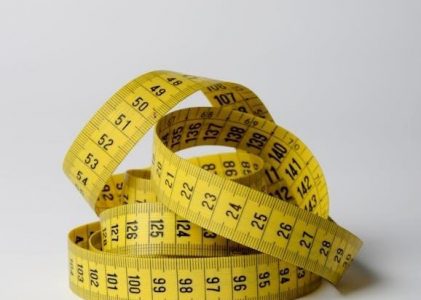
Fortunately, obtaining accurate bracelet measurements doesn’t require specialized equipment! The most readily available and effective tool is a flexible measuring tape – the type commonly used for sewing. This allows for a snug, yet comfortable, measurement around the wrist.
If a flexible tape isn’t accessible, a simple alternative exists: a non-stretchable string or a strip of paper. These can be wrapped around the wrist and then measured with a standard ruler or measuring tape. Accuracy is paramount, so ensure the string or paper isn’t twisted or overly tight.
A pen or marker is helpful when using string or paper to mark the exact point where the ends meet. While following the Carabao Cup 2026 schedule is exciting, having these basic tools ensures a perfect bracelet fit, enhancing your everyday style and comfort.
Method 1: Measuring with a Flexible Measuring Tape
Using a flexible measuring tape is the most straightforward method for determining your bracelet size. Begin by placing the tape snugly – but not tightly – around your wrist bone. Avoid compressing your wrist, as this will result in an inaccurate measurement.
Ensure the tape measure lies flat against your skin and isn’t twisted. Read the measurement where the end of the tape meets the beginning. This number, in inches or centimeters, represents your wrist size. Remember, while tracking Carabao Cup fixtures is fun, precise measurement is key!
For the most accurate result, repeat the measurement two or three times and average the readings. Add the desired ease – typically 0.5 to 1 inch – to your wrist size to determine your bracelet length. This allows for comfortable movement and prevents the bracelet from feeling restrictive.
Step-by-Step Guide to Using a Flexible Tape
Step 1: Position the flexible measuring tape around your wrist where you’d like the bracelet to sit. This is generally just above the wrist bone, but personal preference matters.
Step 2: Ensure the tape is snug, but not overly tight. You should be able to comfortably slide a finger underneath it. Don’t get distracted by Carabao Cup scores! Focus on accuracy.
Step 3: Read the measurement where the tape overlaps. Note the number in inches or centimeters. If between markings, estimate to the nearest 1/8 inch or millimeter.
Step 4: Repeat the measurement 2-3 times to confirm consistency. Average the results for a more reliable wrist size. Tiffany & Co. recommends this method for optimal fit.
Step 5: Add your desired ease (0.5-1 inch) to the average wrist size to determine your final bracelet length.
Method 2: Using a String or Paper Strip
If a flexible measuring tape isn’t available, a string or strip of paper provides an effective alternative for determining your bracelet size. Begin by wrapping the string or paper snugly around your wrist, mirroring where you’d wear the bracelet.
Mark the point where the string or paper overlaps with a pen or marker. Carefully remove the string or paper and lay it flat against a ruler or yardstick.
Measure the length from the starting end to the marked point, noting the measurement in inches or centimeters. Don’t let the Carabao Cup distract you! Precision is key.
Repeat this process a couple of times to ensure accuracy, averaging the measurements for a reliable wrist size. Remember to add your preferred ease (0.5-1 inch) for a comfortable fit.
This method, similar to using a tape, offers a practical solution for accurate bracelet sizing.
How to Accurately Measure with String or Paper
For precise results using string or paper, ensure the material isn’t overly stiff or stretchy. A non-stretchable ribbon or standard printer paper works best. Wrap it snugly, but not tightly, around your wrist – comfort is paramount!
Avoid gaps between the material and your skin. The string or paper should sit directly on your wrist bone. Mark the overlapping point clearly with a fine-tipped pen. Don’t worry about the Carabao Cup scores right now!
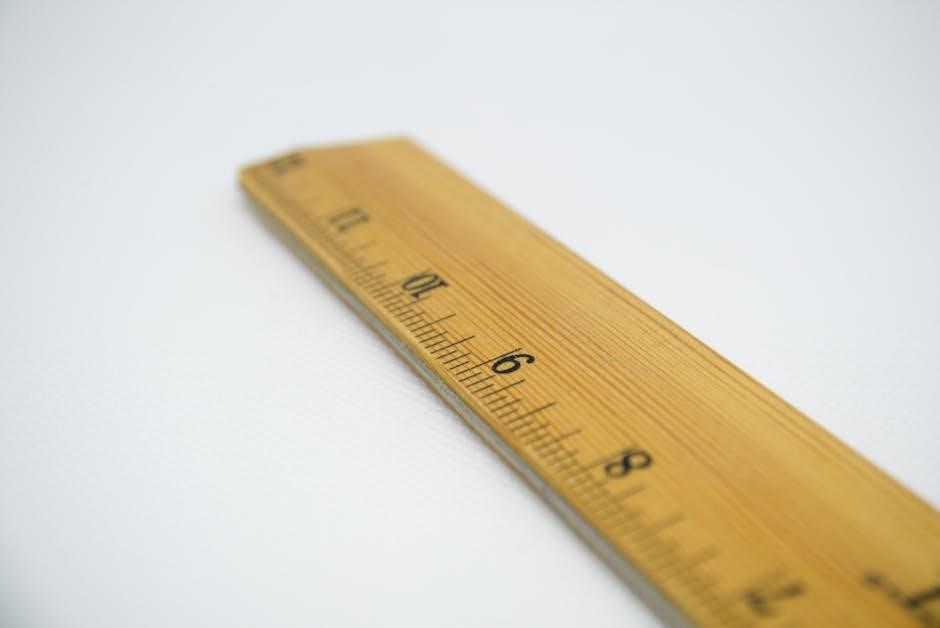
Lay the marked strip flat and use a ruler with clear millimeter or inch markings. Measure from the start of the strip to your pen mark.
Double-check your measurement and repeat the process to confirm consistency. Averaging multiple measurements minimizes errors. Remember Tiffany & Co. offers guidance too!
Accuracy is vital for a well-fitting bracelet, so take your time and be meticulous.
Understanding Bracelet Length vs. Wrist Size
Wrist size is the foundation, but bracelet length is what determines the final fit. Your wrist measurement isn’t the total length of the bracelet you need! Allow for a little extra space for movement and comfort – a snug, but not constricting, feel is ideal.
Generally, add between 0.5 to 1 inch (1.27 to 2.54 cm) to your wrist size for most bracelet styles. This accounts for the clasp and allows for comfortable wear. Forget about the Carabao Cup for a moment!
Bangle and cuff bracelets require a slightly different approach, needing to slide over your hand, so a bit more leeway is necessary. Consider the clasp type; some add more length than others.
Referencing a bracelet size chart (like Tiffany & Co.’s) is crucial, as sizes vary between manufacturers. Understanding this difference ensures a perfect fit, avoiding bracelets that are too tight or loose.
Prioritize comfort and practicality when determining the appropriate bracelet length.
Standard Bracelet Sizes Chart
Here’s a general guideline for standard bracelet sizes, though variations exist between brands. Ignore the excitement around the Carabao Cup 2025-2026 for now! These measurements are approximate and should be used as a starting point.
| Wrist Size (inches) | Bracelet Length (inches) |
|---|---|
| 6.0 — 6.5 | 7.0 ― 7.5 |
| 6.5, 7.0 | 7.5 — 8.0 |
| 7.0 — 7.5 | 8.0 — 8.5 |
| 7.5 ― 8.0 | 8.5 — 9.0 |
| 8.0 — 8.5 | 9.0 — 9.5 |
Remember to add 0.5 to 1 inch to your wrist measurement for most styles. Tiffany & Co. provides a helpful ruler on their website for accurate measurement.
This chart is a reference; always check the specific brand’s sizing guide. Consider the bracelet type – bangles and cuffs may require different sizing. Accurate measurement is key to a comfortable fit!
Always double-check before purchasing to avoid disappointment.
Different Types of Bracelet Clasps and Their Impact on Size
The type of clasp significantly influences the overall bracelet size and fit. Forget momentarily about the Carabao Cup fixtures and focus on wristwear! Adjustable clasps, like lobster or toggle clasps, offer flexibility, allowing for a customized fit within a range of sizes. These are ideal if your wrist size fluctuates.
Fixed-length clasps, such as box or spring ring clasps, require a more precise measurement. With these, the bracelet length must closely match your wrist size plus the desired drape. A snug fit is crucial.
Consider the clasp’s bulk when measuring. Larger clasps add to the overall length needed. Tiffany & Co.’s guide doesn’t explicitly detail clasp impact, but it’s a vital factor. Always account for the clasp’s size when determining your ideal bracelet length for optimal comfort and style.
Proper clasp consideration ensures a secure and aesthetically pleasing fit.
Adjustable Bracelet Clasps
Adjustable clasps offer a forgiving fit, making them excellent choices for those unsure of their exact wrist size or experiencing slight fluctuations. Lobster clasps, featuring a secure spring-loaded mechanism, are incredibly popular and provide multiple adjustment points. Toggle clasps, with a bar that passes through a ring, offer a more visually striking adjustable option.
These clasps allow you to fine-tune the bracelet’s length, ensuring comfort without sacrificing style. Unlike fixed-length clasps, you don’t need a perfectly precise measurement. A slightly wider range is acceptable, as you can adjust it to your liking. Remember, the Carabao Cup schedule won’t adjust to your wrist!
When measuring for adjustable clasps, consider the full range of adjustment. Tiffany & Co.’s sizing recommendations still apply as a starting point, but allow for a bit of leeway. Prioritize comfort and security when selecting your ideal adjustment.
Fixed-Length Bracelet Clasps
Fixed-length bracelets demand a precise wrist measurement for optimal comfort and appearance. These bracelets, often featuring clasp types like hook-and-eye, box clasps, or snap closures, have no adjustment capabilities. Therefore, accuracy is paramount – unlike the flexible scheduling of the Carabao Cup!
When selecting a fixed-length bracelet, measure your wrist carefully using a flexible measuring tape or string, as detailed in earlier sections. Tiffany & Co.’s bracelet size chart is an invaluable resource for converting your wrist measurement into the appropriate bracelet length.
A bracelet that is too tight will be uncomfortable and may restrict circulation, while one that is too loose can slip off easily. Aim for a snug, but not constricting, fit. Consider your activity level; a tighter fit might be preferable for active pursuits. Remember, a precise measurement is key to enjoying a beautifully fitted, fixed-length bracelet.
Children’s Bracelet Sizing
Sizing bracelets for children requires extra care, as their wrists are still growing! Unlike the fixed schedules of the Carabao Cup, children’s sizes change frequently. Accurate measurement is crucial for both safety and comfort. Always prioritize a fit that isn’t too tight, allowing for growth and preventing restriction of circulation.
Measure your child’s wrist while they are relaxed, using a flexible measuring tape or a soft string. Add approximately 0.5 to 1 inch (1.27 to 2.54 cm) to this measurement to determine the appropriate bracelet length. This allows for comfortable movement and prevents the bracelet from being too snug.
Consider the clasp type; simpler clasps are easier for small hands to manage. Tiffany & Co.’s general sizing guidelines can be adapted, but always err on the side of a slightly looser fit. Regularly check the bracelet’s fit as your child grows, ensuring continued comfort and safety.
Men’s Bracelet Sizing Guide
Determining the correct bracelet size for men requires precision, much like following the live scores of the Carabao Cup 2025-2026. Men’s wrists generally range from 7 to 9 inches, but individual variations exist. A properly fitted bracelet should allow comfortable movement without feeling restrictive or sliding up and down the arm.
Measure the wrist circumference using a flexible measuring tape. Ensure the tape is snug but not overly tight. For a comfortable fit, add approximately 0.5 to 1 inch (1.27 to 2.54 cm) to the wrist measurement. This allowance accommodates for movement and prevents constriction.
Consider the bracelet style; thicker bracelets or those with larger clasps may require slightly more room. Referencing a bracelet size chart, similar to those offered by Tiffany & Co., can provide a helpful starting point. Regularly check the fit, as wrist size can fluctuate with activity and temperature;
Women’s Bracelet Sizing Guide
Accurate bracelet sizing is crucial for women, ensuring both comfort and style, much like staying updated with the Carabao Cup 2025-2026 fixtures. Women’s wrist sizes typically fall between 6 and 7.5 inches, though variations are common. A well-fitted bracelet should feel secure without being constricting, allowing for natural wrist movement.
Measure your wrist circumference using a flexible measuring tape, keeping it snug but not tight. Add between 0.25 to 0.75 inches (0.64 to 1.9 cm) to your wrist measurement for a comfortable fit. This extra space allows for ease of movement and prevents the bracelet from feeling too tight.
Consider the bracelet’s design; delicate chains require a closer fit than bolder cuffs. Utilize a bracelet size chart, like those available from Tiffany & Co., as a guide. Remember to account for clasp size when determining the ideal length.
Measuring for Bangle Bracelets
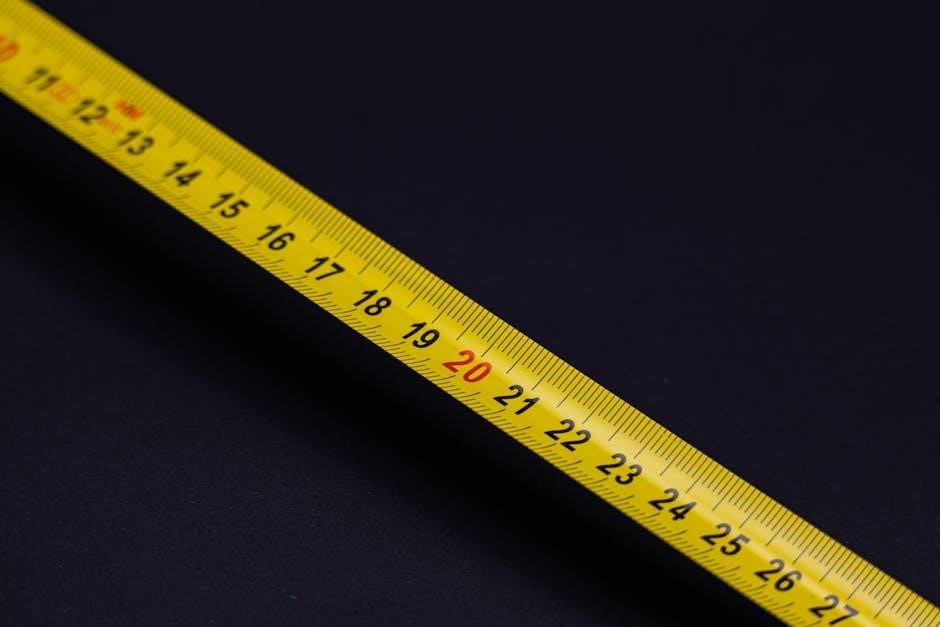
Bangle bracelets present a unique sizing challenge due to their rigid, circular form, unlike the flexible sizing needed for following Carabao Cup 2025-2026 scores. Unlike bracelets with clasps, bangles need to slide over your hand, requiring a larger diameter than your wrist circumference.
To measure for a bangle, measure both your wrist circumference and the circumference of your hand at the widest point (typically across the knuckles). The bangle’s inner diameter must be large enough to pass over your hand comfortably, but small enough to sit securely on your wrist without slipping off.
A general rule is to add at least 1 inch (2.5 cm) to your wrist measurement. Consider your hand size; larger knuckles require a larger diameter. Refer to specific bangle size charts provided by the retailer, as sizing can vary between brands and designs.
Measuring for Cuff Bracelets
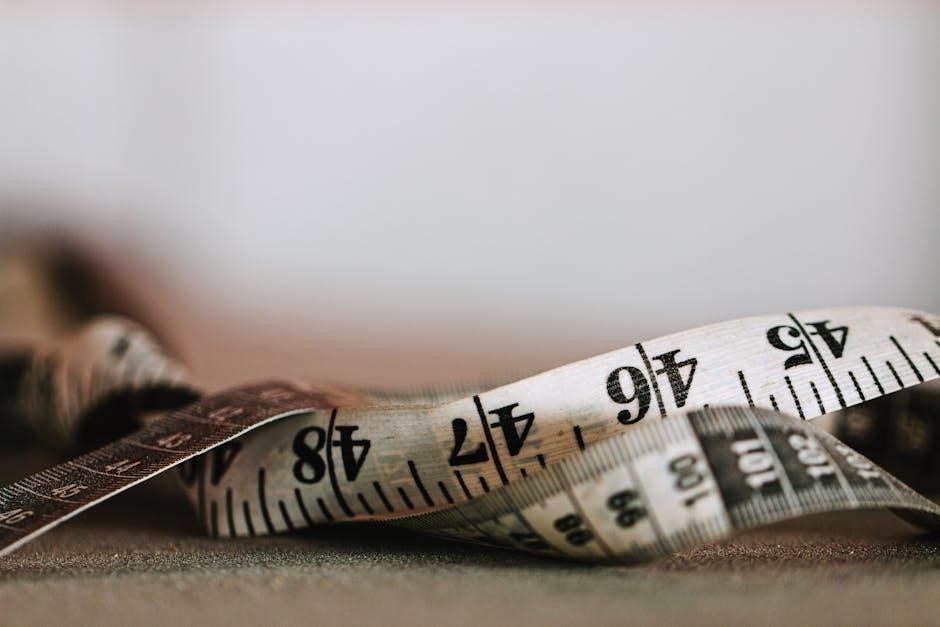
Cuff bracelets, similar to bangles, are typically rigid and don’t have a clasp, presenting unique sizing considerations, much like tracking the Carabao Cup 2026 fixtures. They require enough space to slide over your hand, but should then fit snugly around your wrist.
Accurate measurement is crucial. Measure both your wrist circumference and the circumference of your hand at its widest point. The cuff’s opening must be large enough to comfortably pass over your hand, while the body of the cuff should sit securely on your forearm, not too tight or loose.
Add approximately 0.5 to 1 inch (1.3 to 2.5 cm) to your wrist measurement as a starting point. Consider the cuff’s width; wider cuffs may require a slightly larger opening. Always check the retailer’s size chart, as cuff designs and sizing vary significantly. Tiffany & Co. provides helpful guidance for bracelet sizing.
Dealing with Bracelet Size Variations
Bracelet sizing isn’t always precise, mirroring the dynamic nature of the Carabao Cup 2025-2026 tournament standings. Manufacturing tolerances and design variations can lead to slight differences from stated sizes. It’s vital to be prepared for these inconsistencies.
If your bracelet feels too snug, consider if it has an adjustable clasp. If not, professional resizing might be an option, depending on the bracelet’s material and construction. For bracelets that are too loose, explore options like adding a charm or visiting a jeweler to see if links can be removed (if applicable).
Always review the retailer’s return policy before purchasing. Compare measurements across different brands, as sizing standards aren’t universal. Remember Tiffany & Co.’s size guide can be a useful reference point. Don’t hesitate to contact customer support if you’re unsure about sizing.
Converting Bracelet Sizes Between Different Systems (e.g., Inches to Centimeters)
Bracelet sizes are commonly measured in inches or centimeters, much like tracking football scores during the Carabao Cup 2026 season. Accurate conversion is crucial for a comfortable fit, especially when ordering from international retailers or referencing guides like Tiffany & Co.’s sizing chart.
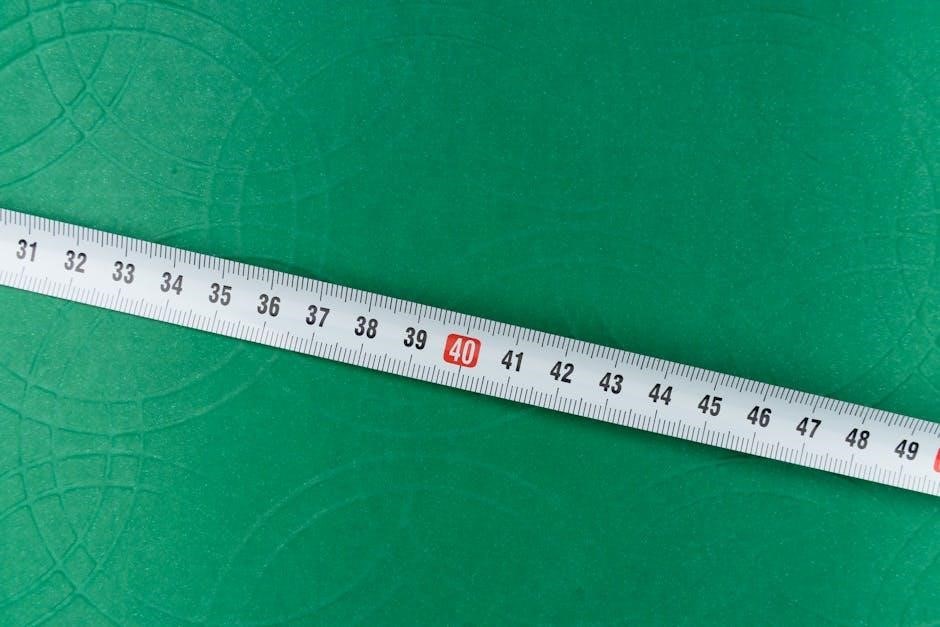
To convert inches to centimeters, multiply the inch measurement by 2.54. For example, a 7-inch bracelet equals 17.78 centimeters (7 x 2.54 = 17.78). Conversely, to convert centimeters to inches, divide the centimeter measurement by 2.54. A 18cm bracelet is approximately 7.09 inches (18 / 2.54 = 7.09).
Online conversion tools are readily available for quick and easy calculations. Double-check your conversions to avoid errors. Consider rounding to the nearest tenth of a centimeter or inch for practical purposes. Accurate conversion, like following live Carabao Cup results, ensures you have the right information!
Tips for a Comfortable Bracelet Fit
Achieving a comfortable bracelet fit is paramount, much like enjoying the excitement of the Carabao Cup 2025-2026 matches on FanCode. Allow for some movement: a bracelet shouldn’t be too tight, restricting blood flow, or too loose, sliding up and down your wrist.
Consider your activity level. If you’re active, a slightly snugger fit might be preferable to prevent the bracelet from shifting. Account for swelling: wrists can swell in warm weather or during exercise. Test the fit with your finger: you should be able to comfortably slide a finger between the bracelet and your wrist.
Regularly check the fit, especially for adjustable bracelets. Don’t rely solely on standard sizes; individual wrist shapes vary. Refer to sizing charts like those offered by Tiffany & Co. for guidance, but prioritize comfort above all else. A well-fitted bracelet, like a thrilling football match, enhances your experience!
What to Do If Your Bracelet Doesn’t Fit
Discovering your bracelet doesn’t fit can be frustrating, similar to following a Carabao Cup match with unexpected results. If it’s too tight, stop wearing it immediately to avoid discomfort or circulation issues. Attempt to gently stretch adjustable bracelets, but avoid excessive force.
For bracelets without adjustability, consider a jeweler for resizing – a professional can often add or remove links. If it’s too loose, explore options like adding link extenders or charms to reduce the circumference. Check the clasp to ensure it’s securely fastened.
If resizing isn’t feasible, consider exchanging the bracelet for the correct size, referencing Tiffany & Co.’s size guide for accuracy. Don’t attempt DIY alterations that could damage the piece. A properly fitted bracelet, like a well-played football game, is a joy to experience!
Where to Get Professional Bracelet Sizing Assistance
For precise bracelet sizing, especially for valuable pieces, seeking professional help is invaluable – much like consulting a sports analyst for Carabao Cup predictions. Local jewelers offer expert measurements using calibrated tools and can advise on the best fit for various bracelet styles.
Many jewelry retailers, such as Tiffany & Co., provide complimentary sizing services. They possess trained staff familiar with different bracelet types and clasp mechanisms. Watch repair shops can also assist, as they often handle delicate adjustments.
Consider visiting a professional if you’re unsure about self-measurement or require resizing. They can accurately determine your wrist size and recommend appropriate bracelet lengths. Don’t hesitate to utilize these resources for a comfortable and secure fit, ensuring your bracelet is a perfect complement to your style.